The Complete Daily Foundation · For Healthy Ageing
One chew a day, and everything your dog's body is counting on. Boost brings a complete vitamin and mineral complex together with taurine, L-carnitine, DHAgold™ algae, joint nutrients, adaptogens and a pre, pro and postbiotic foundation: 40 targeted bioactives in one daily chew, rather than a shelf of separate pots. It is the daily foundation for any adult dog, and it matters more with every year, supporting the vitality, sharp mind and comfortable movement that keep a senior dog enjoying every day.
Made without meat, wheat, soy or corn, Boost is gentle enough to give every day, with every ingredient and inclusion level declared in full.
One Gut. Whole Dog.™
£26.10£0.44/day - Under 10kg dogSubscribe & Save £2.90 per deliverySubscribe & Save £2.90 per deliverySave £2.90 per deliverySave £2.90
Home » Health Hub for Dogs » Cocker Spaniel Health Issues: Comprehensive Guide to Common Problems
Cocker Spaniel Health Issues: Comprehensive Guide to Common Problems
By Glendon Lloyd, Dip. Dog Nutrigenomics (Distinction), Dip. Canine Nutrition (Distinction) · Founder, Bonza
Reviewed by Veterinary Advisory Board
Last reviewed December 2024
Reading time 9 min
Cocker Spaniel Health Problems – Causes, Symptoms and Treatments
Summary
Cocker Spaniels, including the English Cocker Spaniel, are cherished for their affectionate nature, intelligence, and adaptability. However, they are predisposed to a range of health issues due to their genetic makeup, physical traits, and lifestyle tendencies. This comprehensive guide delves into the most common health issues affecting Cocker Spaniels, providing detailed insights into their symptoms, physiological causes, and treatment options. Nutritional strategies, featuring foods, nutrients, medicinal herbs, adaptogens, prebiotics, probiotics, and postbiotics, are explored to help manage and prevent these conditions. Relevant statistical information is also included, offering a deeper understanding of the breed’s health challenges. Frequently asked questions address common concerns for Cocker Spaniel owners.
Cocker Spaniels are medium-sized dogs with a long history as hunting companions. Known for their cheerful and friendly dispositions, they are divided into two primary types: the American Cocker Spaniel and the English Cocker Spaniel. Both varieties excel as family pets and working dogs, making them one of the most versatile breeds worldwide.
Unique Physical Characteristics
Cocker Spaniels are easily recognised by their long, floppy ears, expressive eyes, and flowing coats. While these traits add to their charm, they also predispose them to specific health challenges such as ear infections, skin problems, and vision disorders.
Common Health Problems in Cocker Spaniels
Periodontal Disease
Affecting approximately 20.97% of English Cocker Spaniels annually, periodontal disease, or periodontitis, involves the infection of the tissues that hold the teeth in place. This condition can lead to tooth loss, systemic infections, and other complications if untreated.
Symptoms:
Bad breath
Red or swollen gums
Difficulty eating
Treatment:
Professional dental cleaning
Regular tooth brushing
Dental chews
Nutritional Support:
Probiotics and Postbiotics: Enhance oral microbiota, reducing harmful bacteria.
Cranberries: Contain polyphenols that prevent bacterial adhesion to teeth.
Otitis externa, or inflammation of the external ear canal, is diagnosed in about 10.09% of English Cocker Spaniels annually. Long, floppy ears trap moisture and debris, creating an ideal environment for bacterial and yeast infections.
Symptoms:
Head shaking
Ear scratching
Discharge or odour from the ear
Treatment:
Ear cleaning
Topical antibiotics or antifungals
Anti-inflammatory medications
Nutritional Support:
Omega-3 Fatty Acids: Reduce inflammation in the ear canal.
Chamomile and Calendula: Soothe irritation and support healing.
Obesity and Related Health Complications
Approximately 9.88% of English Cocker Spaniels are reported as overweight or obese. Obesity can exacerbate other conditions, including joint issues, heart disease, and diabetes.
Symptoms:
Excess body weight
Reduced mobility
Shortness of breath
Treatment:
Calorie-controlled diet
Increased physical activity
Regular weight monitoring
Nutritional Support:
L-Carnitine: Aids in fat metabolism and energy production.
Inherited eye conditions like Progressive Retinal Atrophy (PRA) and cataracts are common in Cocker Spaniels. PRA leads to gradual vision loss, while cataracts cause cloudiness in the lens, impairing vision.
Symptoms:
Night blindness (PRA)
Cloudy appearance of the eyes (cataracts)
Difficulty navigating
Treatment:
Cataracts may require surgical correction.
PRA is managed with supportive care.
Nutritional Support:
Lutein and Zeaxanthin: Protect the retina from oxidative damage.
Bilberry and Vitamin A: Support vision and reduce inflammation.
Hip Dysplasia
Hip dysplasia, a malformation of the hip joint, can lead to arthritis and chronic pain.
Cocker Spaniels have been selectively bred for specific traits, which has led to a higher prevalence of hereditary conditions such as Progressive Retinal Atrophy (PRA), hip dysplasia, and autoimmune diseases like AIHA. These genetic predispositions are a significant factor in the breed’s health profile.
Structural and Physiological Traits
The breed’s long, floppy ears make them prone to ear infections by trapping moisture and debris, while their compact skeletal structure predisposes them to joint issues like hip dysplasia. Additionally, their dense coats can exacerbate skin allergies if not properly maintained.
Environmental and Lifestyle Factors
A sedentary lifestyle or improper diet can exacerbate conditions like obesity and diabetes. Environmental factors, such as exposure to allergens or stressful situations, can trigger or worsen behavioural issues and allergies. Proper exercise, grooming, and nutrition are essential for maintaining their overall health.
Symptoms and Treatment Protocols
Recognising Health Issues in Cocker Spaniels
Watch for symptoms such as limping, ear discharge, weight gain, vision changes, or seizures. Early veterinary intervention is key.
Medical and Surgical Interventions
Regular check-ups for dental, ear, and eye health.
Surgical corrections for hip dysplasia and cataracts.
Probiotics and Postbiotics: Helps modulate gut-brain axis supporting optimum immunity
Echinacea: Enhances immune response.
Frequently Asked Questions
Do Cocker Spaniels have a lot of health problems?
Cocker Spaniels are predisposed to specific health issues, but with proper care, many of these can be managed effectively.
What are English Cocker Spaniel-specific health issues?
English Cocker Spaniels face similar health challenges as other Cocker Spaniels, including ear infections, PRA, and hip dysplasia.
What is the life expectancy of a Cocker Spaniel?
The average lifespan of a Cocker Spaniel i overall is 11.44 years although they can live 12–15 years with proper care and nutrition. However, females lived a year longer than males (12.01 years vs 11.00 years) (1)
What is the life expectancy of an English Cocker Spaniel?
English Cocker Spaniels typically live 11.44 years but can live 12–14 years, depending on health and lifestyle factors. Females live longer on average a year longer than males (12.01 vs 11.00 years) (1)
What percentage of Cocker Spaniels have health problems?
Studies suggest that approximately 60–70% of Cocker Spaniels experience at least one health issue during their lifetime.
What are the common causes of death for Cocker Spaniels?
The leading causes of death include cancer, heart disease, and complications from autoimmune conditions.
Are there health concerns related to Cocker Spaniel coat colours?
Some studies suggest that certain coat colours, like roan, may be associated with an increased risk of genetic conditions such as deafness.
Conclusion
Cocker Spaniels are affectionate and intelligent companions, but their genetic predispositions and physical traits require diligent care to prevent and manage common health issues. By recognising potential problems early, providing targeted nutritional support, and ensuring regular veterinary check-ups, owners can help their Cocker Spaniels lead long, healthy lives. Responsible breeding practices also play a critical role in reducing hereditary conditions in this beloved breed.
Best Food for Cocker Spaniel Health Issues
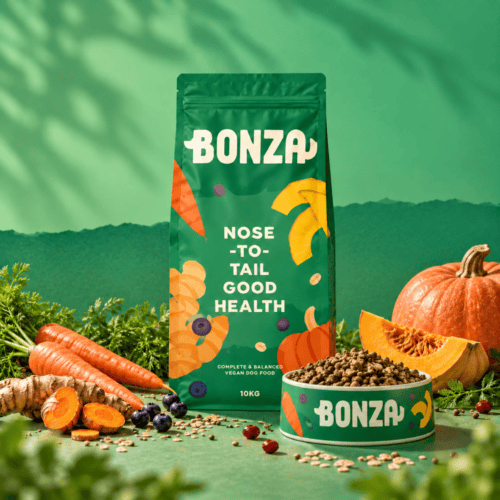
Bonza’s plant-based dog food contains all the ingredients and nutrients required to support some of the most common health issues Cocker Spaniels may suffer from, at the same time providing daily support for your dog’s health and wellbeing. The Superfoods and Ancient Grains formula is the only dog food that includes DHAgold™, an Omega-3 with DHA, DPA and EPA, Calsporin®, a quality Bacillus subtilis/velenzis probiotic, TruPet™ postbiotic, and prebiotics including FOS and MOS. A number of potent anti-inflammatory ingredients, including medicinal herbs, spices and adaptogens (Ashwagandha, Siberian Ginseng, Panax Ginseng, Echinacea, Turmeric, Ginger, Chamomile) also provide relief from, and support against, some of the health problems your Cocker Spaniel may encounter.
Most "best dog probiotic" lists rank on popularity. This one scores every UK supplement against an explicit methodology: strains, EFSA approval, CFU, synbiotic completeness,…




 DE · German
 ES · Spanish
 FR · French
 NL · Dutch